Leading Electrical Contractor Offerings for Safe and Efficient Homes
In today's homes, power security and performance are vital. Engaging a qualified electrical contractor can greatly reduce risks and enhance energy control. Key services offered include thorough inspections, electrical system enhancements, and the incorporation of intelligent systems. Each of these elements plays a vital role in establishing a secure and efficient living space. However, understanding the full scope of these services can uncover even more advantages. What should homeowners prioritize in their electrical needs?
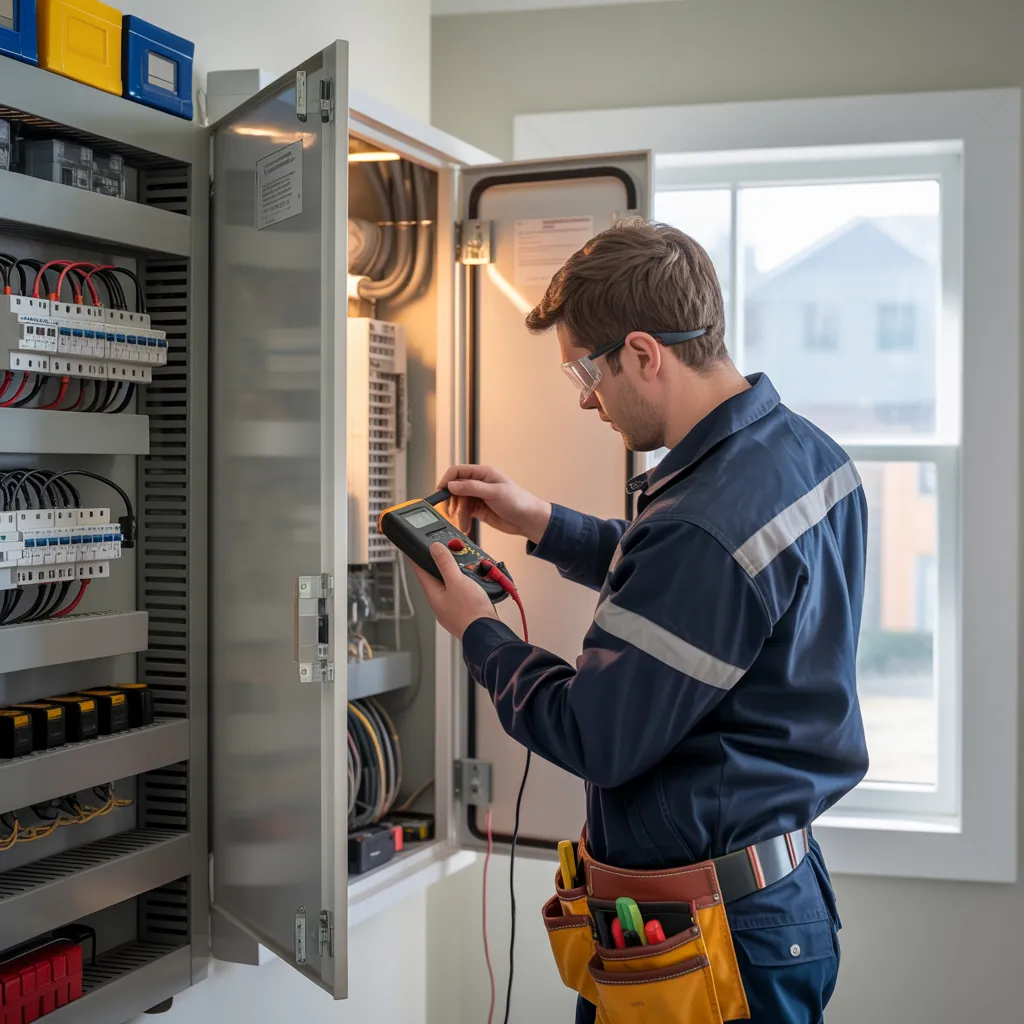
The Importance of Hiring a Qualified Electrical Contractor
When undertaking any electrical tasks, the significance of hiring a qualified electrical contractor cannot be overstated. Qualified contractors have the necessary training, credentials, and experience to ensure that electrical installations and repairs meet safety standards and regulations. Their knowledge reduces the risk of incidents, such as electrical fires or shocks, which can arise from improper handling of electrical systems. Moreover, a qualified contractor can accurately assess a project's scope, offering useful guidance on security, efficiency, and cost-effectiveness.
Engaging a professional also means obtaining obtaining quality materials and tools, which further enhances the dependability of the completed work. Additionally, a certified professional often maintains coverage, providing safeguard from potential liabilities during the job. Ultimately, hiring a qualified electrical contractor not only guarantees adherence to local codes but also delivers peace of mind, knowing that the electrical system will function safely and efficiently for years to come.
Important Power Services for Security and Optimization
Qualified electrical contractors offer a range of key services that improve both safety and operational efficiency in electrical systems. One essential service is electrical system inspections, which detect potential hazards and ensure compliance with safety standards. These inspections help property owners prevent dangerous situations, such as electrical fires or shock risks.
A further notable service is circuit installation and upgrades, which enable more effective load distribution and reduce the risk of overloading. Proper grounding and bonding are also critical, as they defend against electrical surges and guarantee stability in the system.
Furthermore, high-efficiency lighting and smart home technology setups not only reduce utility costs but also enhance overall safety by offering better visibility and control. Regular upkeep and troubleshooting services help detect issues early, avoiding costly repairs and extending system longevity. Together, these services play a significant role to creating safe and efficient living environments.
Enhancing Your Electrical System: Key Factors
Upgrading an power distribution is essential for maintaining reliability and peak performance as homes and businesses evolve. Several key factors must be considered during this implementation. First, it is imperative to assess the current electrical load and capacity. Many older systems may not support modern appliances and technology, leading to potential risks. Next, evaluating the status of cables and breaker panels is paramount; old-fashioned systems can pose serious health and security concerns.
Additionally, adherence with current electrical codes and regulations ought to be prioritized to avoid legal issues and enhance safety. Homeowners should also think about future needs, such as increased energy demands, when planning upgrades. Finally, engaging a licensed electrical contractor guarantees that the upgrade is performed correctly and safely, providing peace of mind. By addressing these factors, individuals can create a reliable electrical system that meets modern demands while prioritizing safety.
How Cost-Effective Lighting Can Refurbish Your Home
Energy-efficient lighting offers the capability to substantially boost both the usefulness and decorative value of a home. By implementing innovations such as LED and CFL bulbs, homeowners can substantially cut energy consumption while maintaining optimal light levels and color quality. These illumination choices not only decrease electricity bills but also feature a prolonged life span, decreasing the need for frequent replacements.
As an added benefit beyond price reduction, efficient light sources supports a more comfortable living environment. It can be strategically used to highlight architectural features, foster atmosphere, and improve overall mood. Moreover, with the minimal thermal release of energy-efficient bulbs, homes strengthen security, lowering the risk of overheating and fire hazards.
The benefits go beyond instant savings, as efficient lighting solutions advances sustainability initiatives by lowering carbon footprints. Consequently, investing in these lighting solutions is a practical choice for homeowners seeking to enhance their living spaces while advancing environmental responsibility.
The Importance of Smart Home Tools in Energy Conservation
Smart home technology plays an essential role in energy management by enabling homeowners to monitor their energy consumption through advanced energy monitoring systems. Additionally, automated lighting solutions provide effective management over illumination, reducing unnecessary energy use. Together, these innovations contribute to more sustainable living article environments.
Energy Observation Systems
A expanding number of homeowners are turning to energy monitoring systems as an essential component of modern energy management. These systems provide real-time insights into energy consumption, helping users to identify patterns and areas for improvement. By integrating with smart home technology, energy monitoring systems can track the energy usage of individual appliances, empowering homeowners to make informed choices about their energy consumption. This data-driven method not only improves efficiency but also contributes to cost savings on utility bills. Additionally, many energy monitoring systems can send alerts and notifications, urging users to adjust their habits or settings as needed. As energy awareness grows, these systems empower homeowners to take control of their energy use, promoting sustainability and minimizing waste.
Automatic Lighting Solutions
Automated illumination systems are changing the way homeowners manage their energy consumption. By embedding smart technology, these systems enable users to control lighting remotely through smartphones or voice commands. This ability not only improves convenience but also advances energy efficiency. For example, lights can be set to turn off automatically when a room is unoccupied, cutting down on wastage. In addition, smart sensors can modify brightness based on natural light levels, ensuring ideal illumination without unnecessary energy use. Homeowners can set schedules for lighting, matching usage with their daily routines. As a result, automated lighting solutions significantly contribute energy management, lowering costs and enhancing sustainability in homes. This innovative technology symbolizes the future of energy-efficient living.
What to Anticipate From Safety Assessments
What key elements should one anticipate during security assessments performed by electrical contractors? First, contractors will inspect the electrical panel for correct identification and functionality, confirming that all circuits are functioning and secure. They will evaluate wiring integrity, checking for signs of deterioration, fraying, or improper installation that could pose hazards. Grounding and bonding systems are also evaluated to confirm compliance with safety standards.
Additionally, the inspection encompasses checking outlets and switches for proper operation and possible overheating. Smoke detectors and carbon monoxide alarms are tested for functionality, as these are vital for home safety. Finally, contractors will provide suggestions for any necessary repairs or upgrades, aiming to improve safety and efficiency. Overall, these inspections are critical for identifying risks and ensuring that the electrical systems comply with current codes and safety regulations, ultimately safeguarding inhabitants and property.
Tips for Choosing the Right Electrical Professional for Your Needs
How can someone make sure they choose the ideal electrical contractor for their particular requirements? First, it is vital to confirm credentials, verifying the contractor is licensed and insured. This shields homeowners from potential liabilities. Next, obtaining recommendations from contacts or online reviews can supply insights into the contractor's trustworthiness and quality of work.
In addition, obtaining various quotes can facilitate evaluate offerings and costs, but the lowest price may not always represent the best deal. It's also advisable to inquire about the contractor's experience with particular undertakings, as expertise in defined areas can be crucial.
Ultimately, open communication is important; a dependable contractor should be prompt and able to manage concerns. By adhering to these guidelines, homeowners can securely opt for an electrical contractor who suits their needs, upholding both safety and efficiency in their homes.
Frequently Requested Questions
How Can I Recognize a Licensed Electrician in My Area?
To identify a licensed electrical contractor, one should examine regional licensing authorities, look at internet feedback, ask acquaintances for suggestions, and confirm qualifications through official state or local government websites for accuracy and regulatory conformance.
What Are the Telltale Signs of an Overdriven Power Supply?
An overloaded electrical system displays signs such as often tripped circuit breakers, lights that flicker, discolored or warm outlets, and the scent of burnt plastic. These indicators suggest that the system cannot adequately handle the present electrical consumption.
When Should I Arrange Electrical Safety Inspections?
Electrical inspections should be set up every three to five years. However, homeowners should consider more routine inspections if they identify issues like lights that flicker intermittently, frequent tripping breakers, or if they have outdated wiring systems.
Is performing your own electric maintenance both safe and legal?
Homemade electrical repairs can be unsafe and may breach local laws. Proper training, knowledge, and adherence to regulations are necessary for security. It's best to seek advice from a licensed electrician for difficult assignments or extensive repairs.
What Guarantees Should I Demand From Electrical Work?
Customers should look for warranties protecting workmanship, typically ranging from one to five years, and manufacturers' warranties on materials. These warranties guarantee quality and reliability, delivering peace of mind for any electrical service performed.